

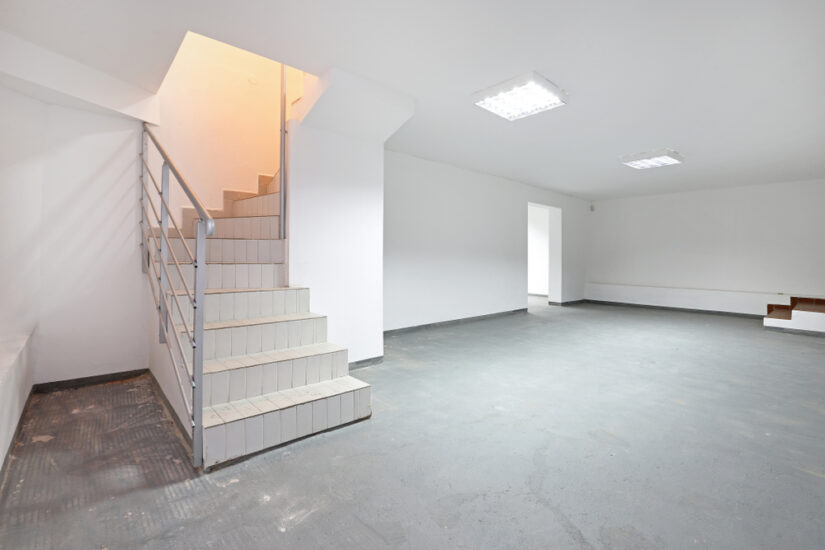
Basement conversions offer Bellevue residents a practical way to add usable living space without expanding their home’s footprint. Transforming an underused basement can provide an extra bedroom, office, home gym, or entertainment area, helping homeowners get more from their existing square footage.
In Bellevue, where real estate value is high and space comes at a premium, maximizing every inch of a property is essential. Home Care Contractors is here to guide residents through the conversion process, ensuring projects meet city codes and suit the family’s needs.
Whether the goal is to boost home value or create room for growing needs, a well-planned basement conversion can make a noticeable difference in daily living. More and more Bellevue homeowners are choosing this route for its efficiency and long-term benefits.
The Value of Basement Conversions in Bellevue
Basement conversions provide practical solutions for Bellevue residences looking to maximize available home space. As trends in home space optimization in Bellevue and urban living environments shift, homeowners often find that basement remodeling offers benefits that impact daily life and property value.
Enhancing Living Space
Bellevue residences frequently face the challenge of balancing space needs with urban density. Basement conversions address this by transforming previously underused areas into functional rooms.
Homeowners in Bellevue often use converted basements for additional bedrooms, home offices, or dedicated recreation spaces. This flexibility is valuable for families needing extra room or remote workers requiring a quiet environment.
Key benefits include:
- Greater privacy for guests or multi-generational living
- Ample storage in custom-designed closets or utility rooms
- Creative layouts for gyms, playrooms, or home theaters
Bellevue basement remodeling often tailors these spaces to match the specific needs and lifestyles of residents, increasing daily comfort and convenience.
Boosting Property Value
A professionally finished basement can lead to potential increased property value for Bellevue homes. Buyers frequently seek properties with extra usable square footage, especially when finished basements provide quality living areas.
Local real estate trends show homes with well-executed basement renovations often sell faster and at higher prices. Investing in Bellevue basement remodeling can be a strategic decision for long-term returns, making the property more competitive in a desirable market.
Supporting Urban Lifestyles
Urban living environments in Bellevue encourage homeowners to use every inch of their residences efficiently. Basement conversions support this trend by accommodating modern living needs within existing footprints.
Many Bellevue residents choose basement renovation to create multi-purpose rooms for work, study, or hobbies. These upgrades respond to evolving lifestyles that require flexibility, technology integration, and privacy.
Benefits for urban homeowners include:
- Optimized limited space in popular neighborhoods
- Adaptability for changing family or work situations
- Sustainable use of existing square footage, reducing the need for large additions
Through thoughtful design, basement conversions help Bellevue homeowners achieve greater space efficiency and functional living in urban settings.
Understanding the Basement Conversion Process
Basement renovation in Bellevue involves several clear stages, from evaluating the space to executing construction. Success largely depends on careful assessment, detailed design, and choosing knowledgeable contractors for the job.
Initial Assessment and Planning
Converting a basement starts with a thorough inspection to check structural integrity, ventilation, and moisture levels. Home Care Contractors and similar professionals may look for signs of water damage, low ceiling heights, and existing utility locations.
Key questions at this stage include:
- Is the basement prone to flooding?
- Does the layout support the intended use (such as a living area, office, or guest suite)?
- What local permits and zoning rules apply to Bellevue basement remodeling?
A detailed plan helps avoid future issues. Homeowners often work with specialists to estimate costs, identify required materials, and develop a realistic timeline. Establishing goals early streamlines the process and ensures the renovation is feasible.
Design Considerations for Bellevue Homes
Designs for basement renovation in Bellevue often focus on maximizing light, handling utility upgrades, and blending styles with the rest of the home. Thoughtful layout planning is critical to add functional rooms, storage, or even separate entrances.
Common considerations:
- Lighting and window additions to comply with Seattle-area building codes
- Integrating modern amenities, such as in-floor heating or soundproofing
- Coordinating finishes and fixtures with existing decor
Innovative home renovation solutions sometimes include open-concept spaces or custom-built storage. Accessibility improvements for stairs and entrances can also add value to basement conversions in older Bellevue residences.
Construction and Remodeling Phases
Once planning and design choices are finalized, the construction phase begins with site preparation and any necessary demolition. Contractors may relocate utilities, reinforce foundations, and address dampness as needed.
Key construction steps can include:
- Framing new rooms or walls
- Installing windows, insulation, and drywall
- Upgrading electrical, HVAC, and plumbing systems
Attention to detail in these phases helps avoid future maintenance issues. Experienced Bellevue remodeling teams ensure proper permits are in place and that work meets local regulations. Streamlined scheduling reduces disruption and leads to a higher-quality finished basement.
Key Uses and Applications for Converted Basements
Basement conversions in Bellevue can transform underused space into highly functional areas. Popular applications include added bedrooms, specialized workspaces, and dedicated zones for entertainment or income.
Creating Bedrooms or Guest Suites
Adding a bedroom or guest suite is one of the most valuable uses for a basement conversion. Homeowners often turn unfinished basements into extra sleeping quarters to accommodate growing families or frequent visitors.
Converted basements can include features like full bathrooms, closets, and separate entrances. This setup provides privacy and comfort for long-term guests or multigenerational living.
Key considerations:
- Local building codes may require egress windows for bedrooms.
- Soundproofing can enhance comfort for both guests and household members.
- Adding utility hookups enables additional laundry or kitchenette options for a self-contained suite.
Designing Home Offices and Fitness Spaces
Work-from-home trends have made basement home offices highly desirable. These spaces help separate work life from living areas, supporting productivity. Finished basements provide enough room for desks, storage, and dedicated meeting zones.
Home gyms are also a practical use of converted basements. Basements can accommodate treadmills, weights, and yoga studios with minimal modifications. Durable flooring and ventilation improve comfort and functionality for exercise routines.
Benefits include:
- Reduced distractions compared to main floor living areas.
- Customization for lighting, soundproofing, and storage.
- Potential inclusion of utility sinks or dedicated electrical circuits for fitness equipment.
Entertainment Rooms and Rental Units
Basement conversions often expand a home’s utility by providing space for media centers, gaming rooms, or home theaters. Features like built-in shelving, blackout curtains, and surround sound are common additions.
Some homeowners create rental units in their basements, adding kitchenettes, bathrooms, and private access for tenants. This can generate extra income, but may require zoning approvals in Bellevue.
Typical amenities for these spaces:
- Large-screen TVs, wall-mounted speakers, and custom cabinetry.
- Separate entrances or locking doors for privacy in rental units.
- Enhanced HVAC and sound insulation to support comfort and quiet.
Essential Considerations for Successful Basement Renovations
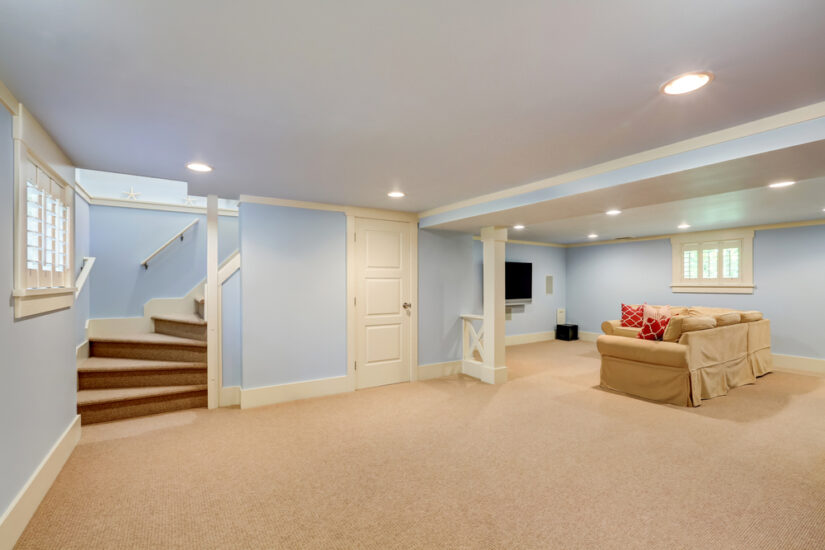
Basement conversions in Bellevue demand careful attention to city regulations, practical construction challenges, and accurate budgeting. Legal compliance, moisture control, and realistic cost planning are each vital to project success.
Permitting and Legal Requirements in Bellevue
Bellevue enforces several building codes and zoning regulations that impact basement renovations. Homeowners must obtain permits for most structural work, electrical upgrades, and plumbing installations. Contractors often help with the application process, but owners are responsible for ensuring all documents are in order.
The City of Bellevue requires all habitable spaces to meet minimum ceiling heights, egress window standards, and ventilation needs. Failure to comply can result in fines, delays, or an order to undo unapproved work. Inspections will check for adherence at various construction stages.
For a smoother process, create a checklist of required permits before starting. Keep in mind that the timeline for approval may vary depending on project scope and city workload.
Addressing Common Challenges
Many Bellevue basements face issues such as dampness, inadequate insulation, and low ceilings. Effective moisture management is crucial—this may include installing sump pumps, vapor barriers, and improving drainage around the home’s foundation. Basements below grade are particularly susceptible to water intrusion.
Low ceiling height is another frequent problem. Bellevue’s codes generally require ceilings to be at least 7 feet high in finished spaces. Structural modifications, such as lowering the floor, can be expensive and may not always be feasible.
Additional concerns include limited natural light and code-compliant emergency exits. Solutions often involve adding egress windows or window wells and using light wells or reflective surfaces to brighten interiors.
Budgeting and Cost Considerations
Renovation costs can vary widely based on the project’s complexity, materials chosen, and the need for infrastructure upgrades. Typical expenses include waterproofing, insulation, electrical rewiring, and new plumbing. Unexpected issues, such as hidden water damage or outdated wiring, can raise costs further.
A simple finishing project might start around $40 to $75 per square foot, while more extensive work can exceed $150 per square foot. Budget planning should include a contingency fund (usually 10–20%) to address surprises.
Are you ready to learn more? Contact our team. We’d be happy to discuss this with you!